
Evidence Library
Browse the claims, explore the research and understand what the evidence means for you.
Filter by topic, evidence or outcome
Browse by category
More filters
Choose an ingredient or topic and an outcome to narrow your results.
Ratings apply to the specific claim assessed. Read each investigation for its findings and limitations.

Can AI Calorie-Tracking Apps Really Count Calories From a Food Photo?
LIMITED — AI can make food logging easier, and some systems perform reasonably in controlled tests. Errors vary widely, especially with mixed dishes, portions and hidden ingredients. A plausible-looking numb...
Read the evidence →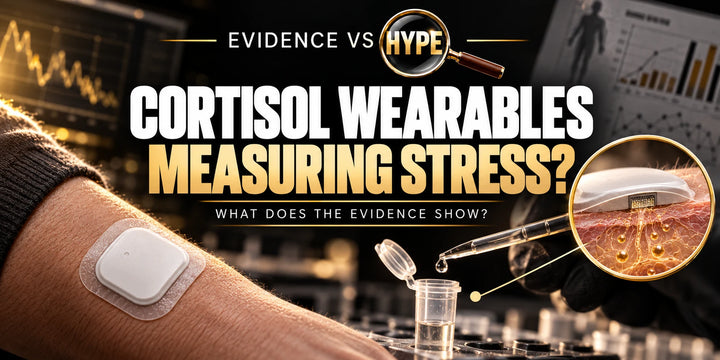
Can Wearable Cortisol Meters Really Measure Your Stress Accurately?
LIMITED — Wearable sensors can detect cortisol in experimental settings, but chemical detection and a clinically accurate stress reading are different achievements. Most evidence does not establish an everyd...
Read the evidence →
Are Microplastics Really Damaging Your Cells? What Human Research Shows
UNCLEAR — Laboratory studies provide reasons for concern, and human studies increasingly report associations with poorer health. They do not yet establish how much everyday exposure causes particular disease...
Read the evidence →
Can the Viral Three-Day Hormone Reset Really Balance Your Hormones?
WEAK — A few days of different meals, sleep or routine can change how you feel. A general hormone reset in 72 hours is not a defined, clinically validated treatment, and different hormonal conditions need di...
Read the evidence →
Does TB-500 Really Heal Tendons, Ligaments and Injuries Faster?
WEAK — Reliable human evidence for faster injury healing from the TB-500 fragment has not been established. Research on full-length thymosin beta-4 cannot simply be transferred to a differently identified pr...
Read the evidence →
Does the KPV Peptide Really Reduce Gut Inflammation and Heal Your Skin?
WEAK — KPV has anti-inflammatory effects in cells and mouse models. Verified clinical evidence that it treats gut disease or heals skin in living people is missing from the regulatory evidence assessed here;...
Read the evidence →
Can a Senolytic Skin Cream Really Reverse Your Biological Skin Age?
WEAK — Early human studies show interesting skin and biomarker changes. They do not yet establish lasting reversal of skin ageing, and an experimental medicine is different from a cosmetic sold as senolytic.
Read the evidence →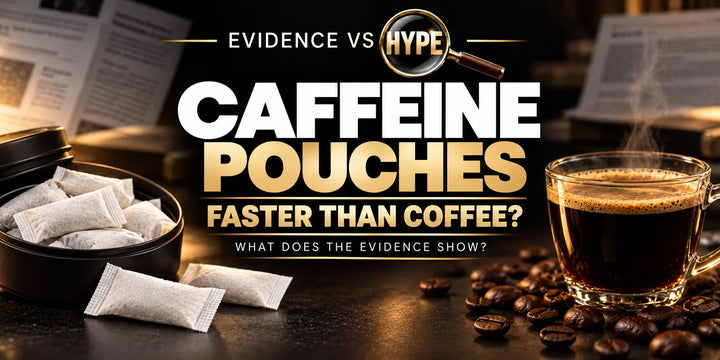
Do Caffeine Pouches Work Faster or Better Than Coffee?
WEAK — Reliable evidence that pouches outperform coffee is missing. A prominent five-form absorption study was retracted; gum findings cannot validate pouches.
Read the evidence →
Do “Clean Nicotine” Pouches Really Improve Focus in Non-Smokers?
LIMITED — Nicotine has small acute effects on selected attention tasks. Direct evidence for pouches as a useful, safe focus tool in nicotine-naive adults is weak.
Read the evidence →
Can Two Cups of Beans a Day Really Stop Sugar Cravings?
WEAK — Pulses can support fullness, but there is no established two-cup threshold that switches off sugar cravings.
Read the evidence →
Can Antihistamines and Famotidine Really Relieve Menopause Symptoms?
WEAK — A biological hypothesis and personal reports do not establish the H1/H2 combination as menopause treatment. No direct controlled efficacy trial was identified.
Read the evidence →
Does Salt Stomping Before Bed Really Improve Sleep?
WEAK — Direct evidence for a salt-specific sleep or cortisol benefit was not identified. Cream and footbath studies cannot establish dry-salt effects.
Read the evidence →