
Evidence Library
Browse the claims, explore the research and understand what the evidence means for you.
Filter by topic, evidence or outcome
Browse by category
More filters
Choose an ingredient or topic and an outcome to narrow your results.
Browsing keyword: category:gut-digestive-health. View the complete library
Ratings apply to the specific claim assessed. Read each investigation for its findings and limitations.
Is Gluten-Free Really Healthier If You Do Not Have Coeliac Disease?
WEAK — A gluten-free label does not make a diet healthier for someone without a gluten-related disorder. Some people have genuine reasons to avoid gluten or wheat, but a universal health advantage is not est...
Read the evidence →
Do Fermented Foods Really Reduce Inflammation?
LIMITED — Some human trials suggest fermented-food diets can change the microbiome and inflammatory markers. Evidence that adding them consistently reduces systemic inflammation in healthy adults remains lim...
Read the evidence →
Are Postbiotics Really Better Than Probiotics for Gut Health?
WEAK — Certain inactivated bacterial preparations have evidence for particular benefits, including an IBS trial. That does not establish that postbiotics as a category work better than probiotics, or that an...
Read the evidence →
Do Oats and Beta-Glucan Really Lower LDL Cholesterol?
STRONG — Yes. Randomised trials support a modest average LDL reduction from sufficient oat beta-glucan. The effect depends on the food or preparation and is not a substitute for assessing overall cardiovascu...
Read the evidence →
Does the KPV Peptide Really Reduce Gut Inflammation and Heal Your Skin?
WEAK — KPV has anti-inflammatory effects in cells and mouse models. Verified clinical evidence that it treats gut disease or heals skin in living people is missing from the regulatory evidence assessed here;...
Read the evidence →
Can Two Cups of Beans a Day Really Stop Sugar Cravings?
WEAK — Pulses can support fullness, but there is no established two-cup threshold that switches off sugar cravings.
Read the evidence →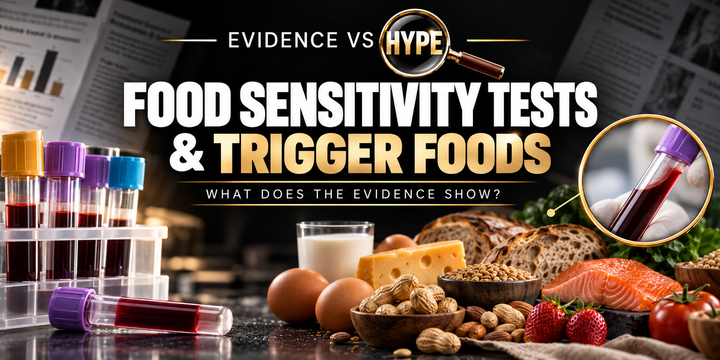
Do Food Sensitivity Blood Tests Really Identify Your Trigger Foods?
WEAK — Do food sensitivity blood tests identify trigger foods? We examine allergy guidance and a positive 2025 IBS trial without confusing treatment with diagnosis.
Read the evidence →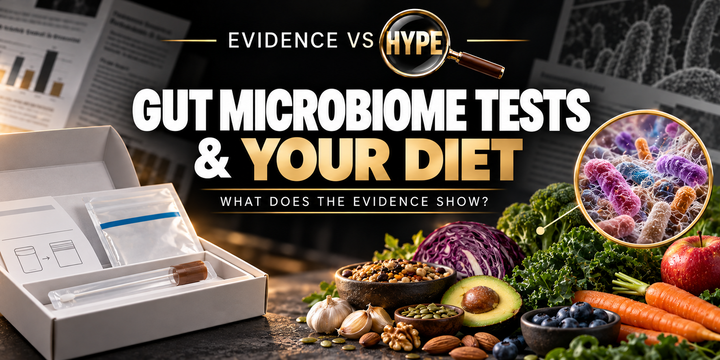
Can At-Home Gut Microbiome Tests Really Tell You What to Eat?
WEAK — Can home gut microbiome tests prescribe your ideal diet? We examine a 2026 test comparison, expert consensus and a positive personalised-nutrition trial.
Read the evidence →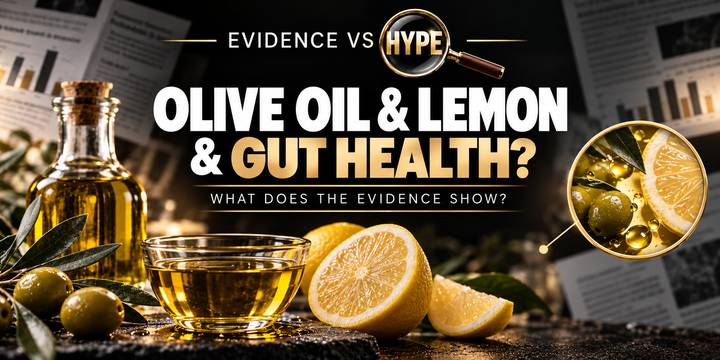
Do Olive Oil and Lemon Shots Really Improve Gut Health and Skin?
WEAK — Olive oil and lemon belong comfortably in an ordinary meal. That does not establish that drinking them together before breakfast delivers a special detox, digestive reset or skin transformation.
Read the evidence →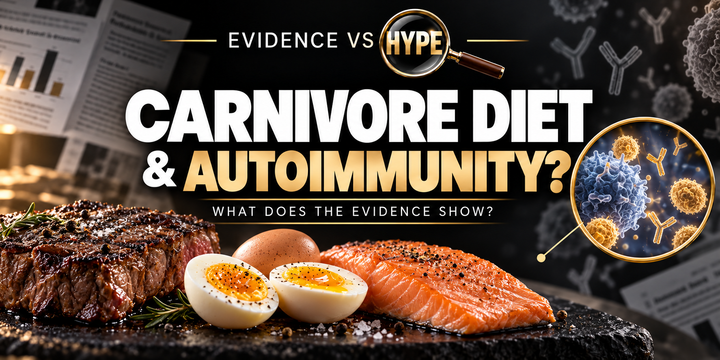
Can the Carnivore Diet Reverse Autoimmune Diseases?
WEAK — Some people report substantial symptom relief, and small case reports include improvements in inflammatory bowel disease. That does not establish that an exclusively animal-based diet reverses autoimm...
Read the evidence →
Can Psyllium Help Manage Loose Stools and Bowel Leakage?
MODERATE — Trials support psyllium for some adults with loose-stool faecal incontinence. They do not establish treatment for every cause of diarrhoea.
Read the evidence →
Does Psyllium Husk Really Improve IBS Symptoms?
MODERATE — Psyllium can improve overall clinical response in some adults with IBS. Benefits vary by symptom, and subtype-specific evidence remains limited.
Read the evidence →