
Evidence Library
Browse the claims, explore the research and understand what the evidence means for you.
Filter by topic, evidence or outcome
Browse by category
More filters
Choose an ingredient or topic and an outcome to narrow your results.
Browsing keyword: category:detox-viral-trends. View the complete library
Ratings apply to the specific claim assessed. Read each investigation for its findings and limitations.
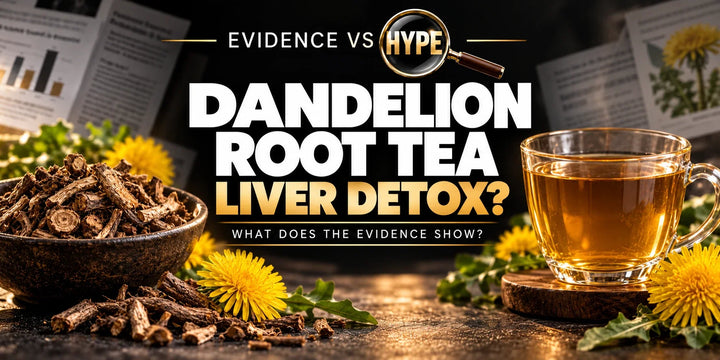
Does Dandelion Root Tea Really Detox Your Liver?
WEAK — Convincing human evidence that dandelion root tea detoxifies the liver is lacking. Dandelion contains compounds with biological activity in laboratory and animal research, but those findings do not de...
Read the evidence →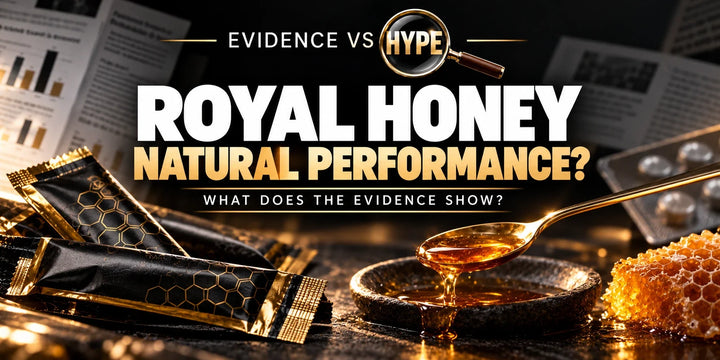
Do Royal Honey Performance Packs Work — and Are They Safe?
WEAK — Reliable evidence that these honey packs safely improve sexual performance through honey itself is lacking. Regulators have repeatedly found undeclared erectile-dysfunction medicines in tested product...
Read the evidence →
Is the Viral Boy Kibble Diet Really Healthy for Building Muscle?
WEAK — A beef-and-rice meal can provide protein and training fuel. There is no established special muscle-building advantage to the viral label, and whether the overall diet is nutritionally adequate depends...
Read the evidence →
Does Clove Tea Really Lower Blood Sugar and Fight Inflammation?
WEAK — Clove compounds have plausible laboratory effects, but direct evidence for ordinary clove tea is weak. A small uncontrolled study of a standardised extract cannot establish that a home-brewed drink tr...
Read the evidence →
Are Microplastics Really Damaging Your Cells? What Human Research Shows
UNCLEAR — Laboratory studies provide reasons for concern, and human studies increasingly report associations with poorer health. They do not yet establish how much everyday exposure causes particular disease...
Read the evidence →
Can the Viral Three-Day Hormone Reset Really Balance Your Hormones?
WEAK — A few days of different meals, sleep or routine can change how you feel. A general hormone reset in 72 hours is not a defined, clinically validated treatment, and different hormonal conditions need di...
Read the evidence →
Can Antihistamines and Famotidine Really Relieve Menopause Symptoms?
WEAK — A biological hypothesis and personal reports do not establish the H1/H2 combination as menopause treatment. No direct controlled efficacy trial was identified.
Read the evidence →
Does Salt Stomping Before Bed Really Improve Sleep?
WEAK — Direct evidence for a salt-specific sleep or cortisol benefit was not identified. Cream and footbath studies cannot establish dry-salt effects.
Read the evidence →
Is Lymphatic Walking Better Than Ordinary Walking for Swelling?
WEAK — Movement supports lymph transport, but superiority of a branded lymphatic walk over ordinary walking has not been established.
Read the evidence →
Can Remineralising Chewing Gum Really Repair Tooth Enamel?
LIMITED — Selected gums may support early remineralisation. They do not rebuild lost tooth structure. We assess saliva, CPP-ACP, hydroxyapatite and cavity claims.
Read the evidence →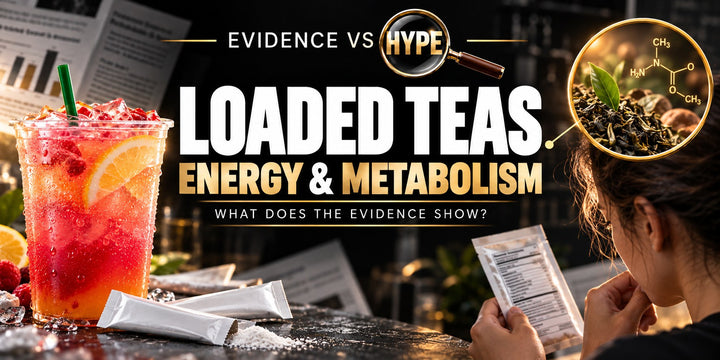
Do Loaded Teas Really Boost Energy and Metabolism?
WEAK — Loaded teas can deliver caffeine-driven alertness. A special fat-loss benefit is unproven. We examine recipes, ingredient evidence and stimulant stacking.
Read the evidence →
Does Ricezempic Really Suppress Appetite and Cause Weight Loss?
WEAK — Does ricezempic suppress appetite or cause weight loss? We examine resistant-starch studies and why rice-soaking water is not an Ozempic substitute.
Read the evidence →